
01 / 10 · Showcase
TeamFlow
The DevOps harness for agentic software delivery.
Observability, automation and agentic SDLC management: every agent workstream on one board, stuck agents found and fixed, and code that never leaves your organisation.
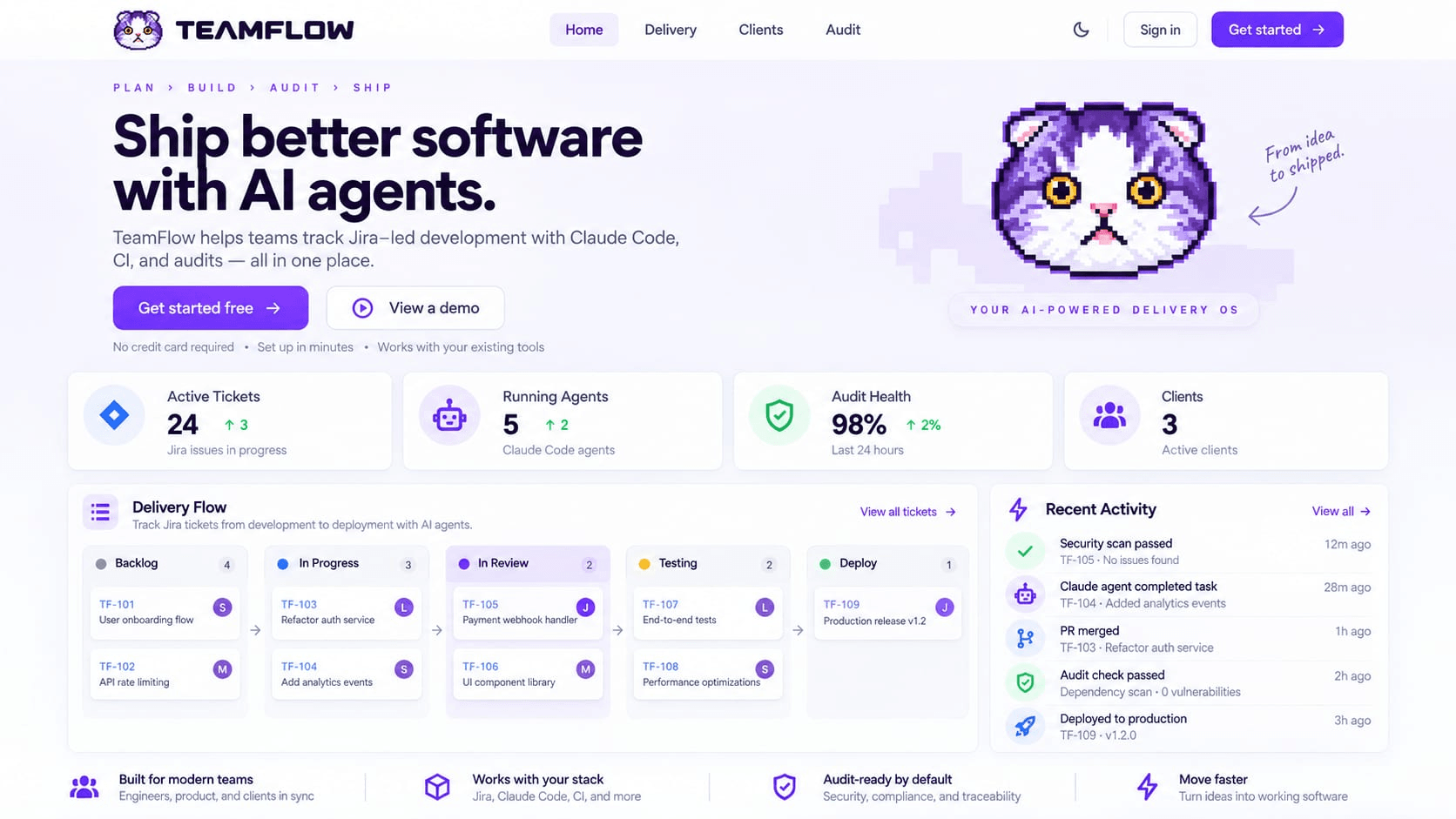
01 / 10 · Showcase
The DevOps harness for agentic software delivery.
Observability, automation and agentic SDLC management: every agent workstream on one board, stuck agents found and fixed, and code that never leaves your organisation.
02 / 10 · Showcase
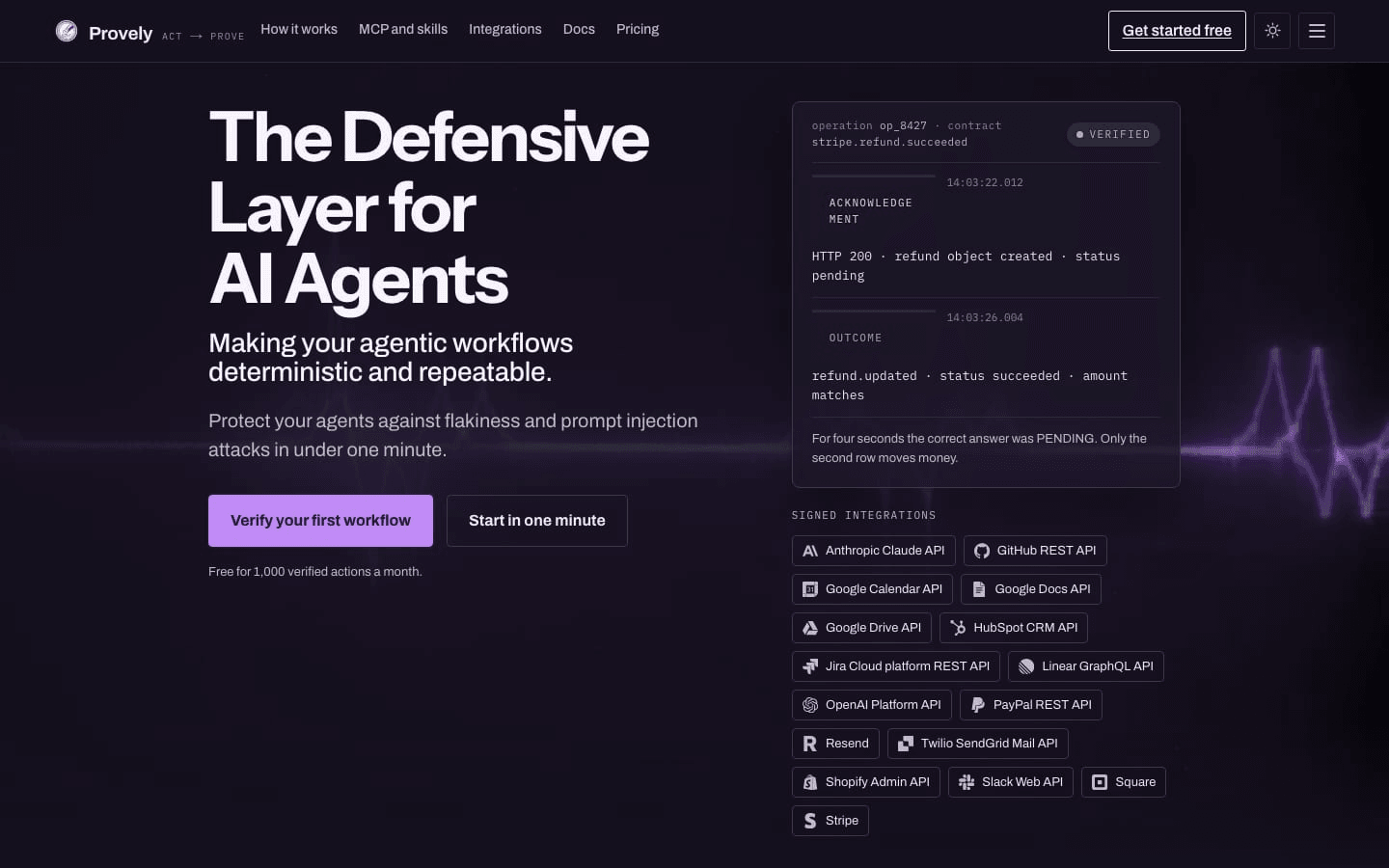
The defensive layer for AI agents.
A workflow verifier for AI agents that take side-effecting actions. A separate verifier decides whether reality satisfies the promise, and issues a signed receipt.
03 / 10 · Research
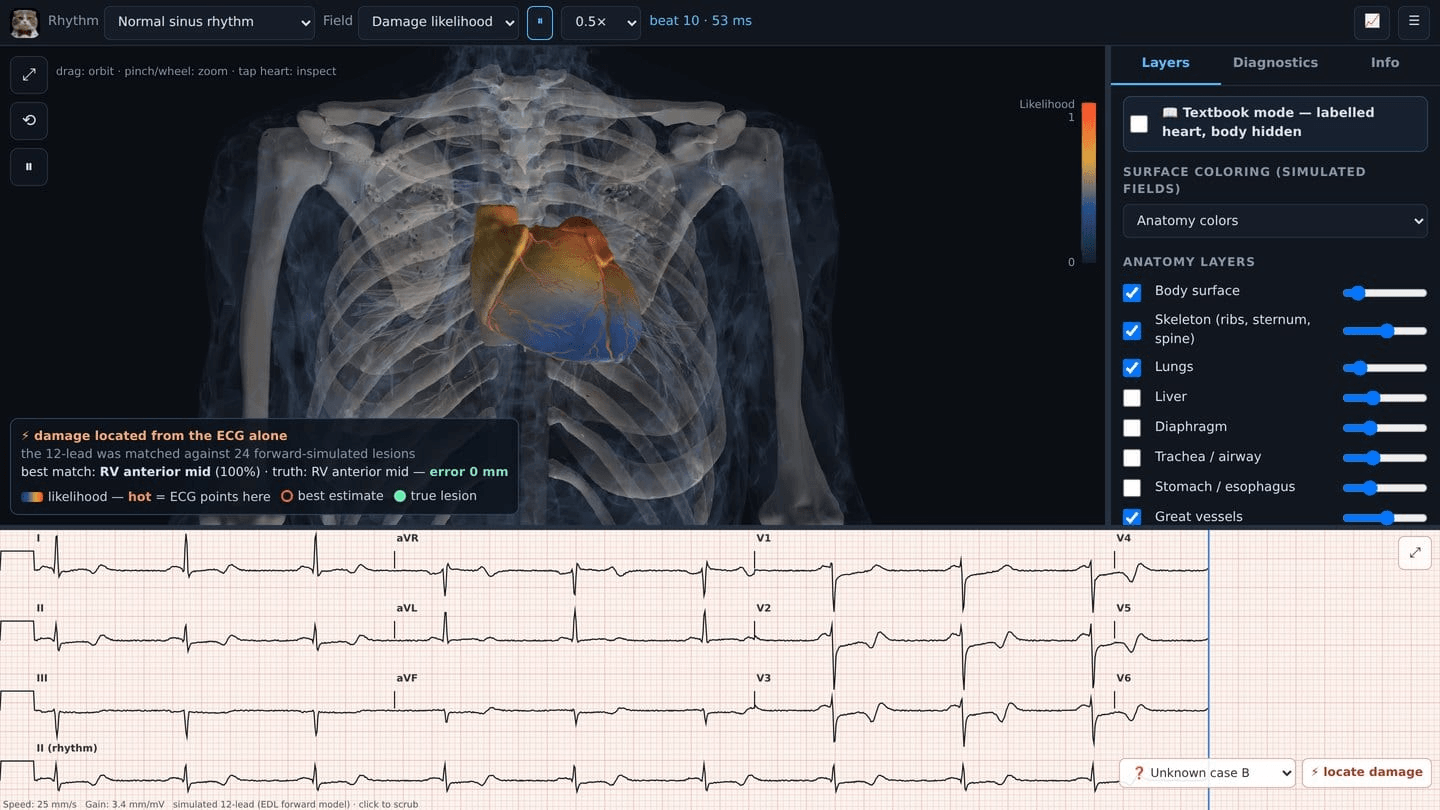
A causal 4D beating heart with a live 12-lead ECG.
Real CT-derived four-chamber anatomy inside an MRI-segmented body, driven by a physiological activation model and rendered live in the browser with a synchronized, model-derived 12-lead ECG.
04 / 10 · Research
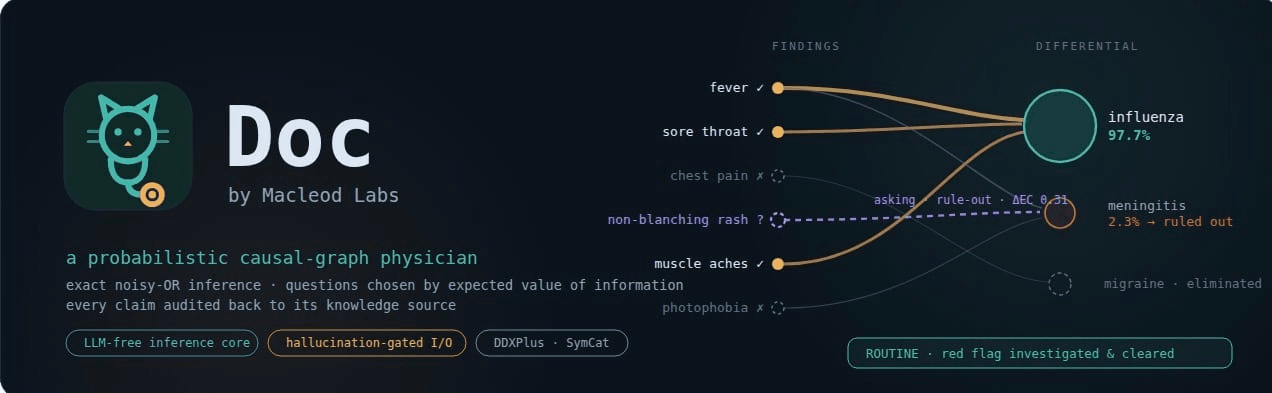
Probabilistic causal diagnosis.
A probabilistic causal-graph physician: exact noisy-OR inference over a causal knowledge graph, with decision-theoretic stopping that picks the most informative next question.
05 / 10 · Product Beta
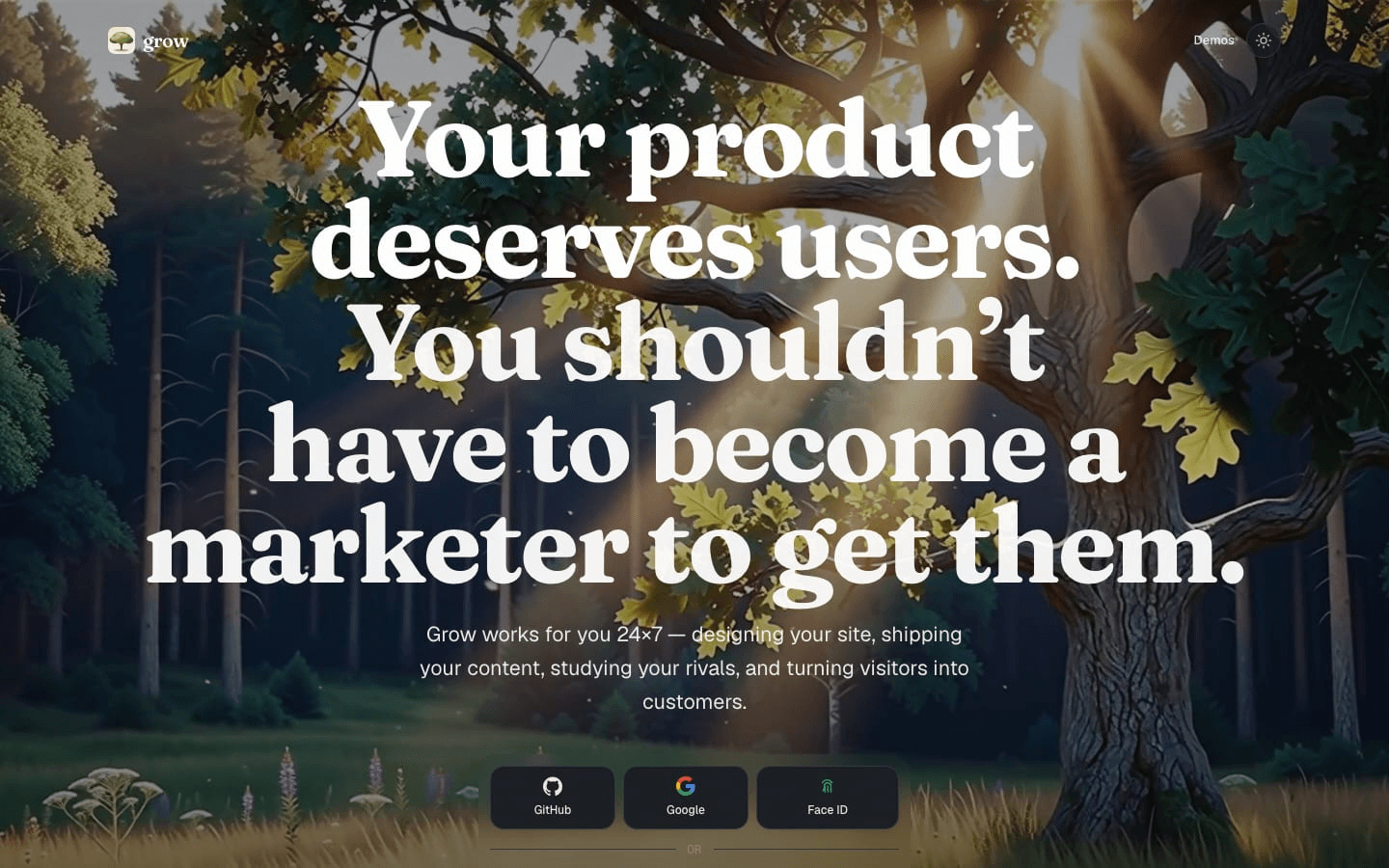
Your product deserves users.
A developer growth OS in beta: Grow researches your product, rebuilds and optimizes your site, generates and distributes content, studies competitors and measures real outcomes, 24×7.
06 / 10 · Claude Code mod
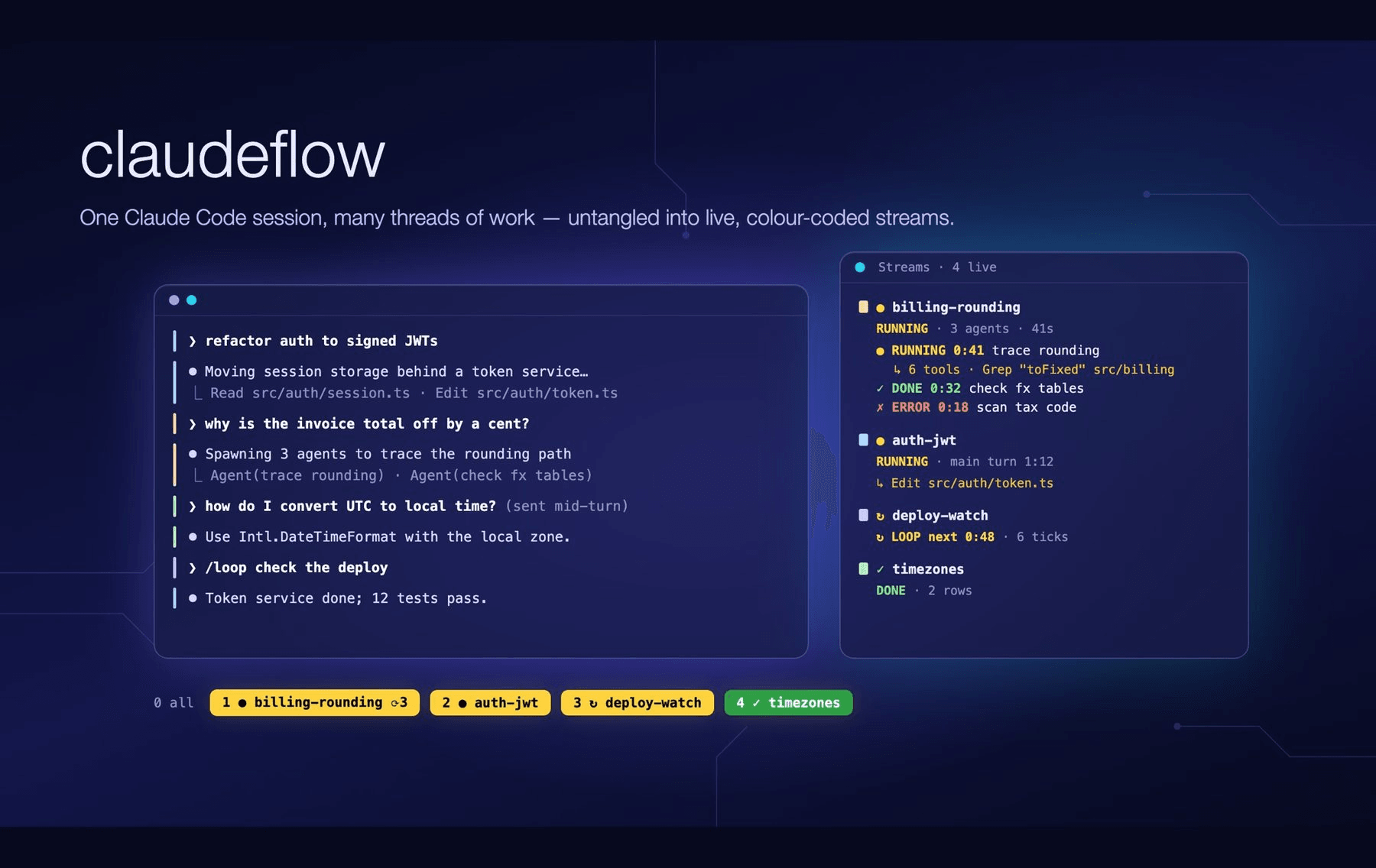
One Claude Code session, untangled into live streams.
A Claude Code mod that sorts one interleaved session (side questions, loops, subagents) into colour-coded semantic streams, each with its own live status, history and a status card that shows what needs you first.
07 / 10 · Claude Code mod
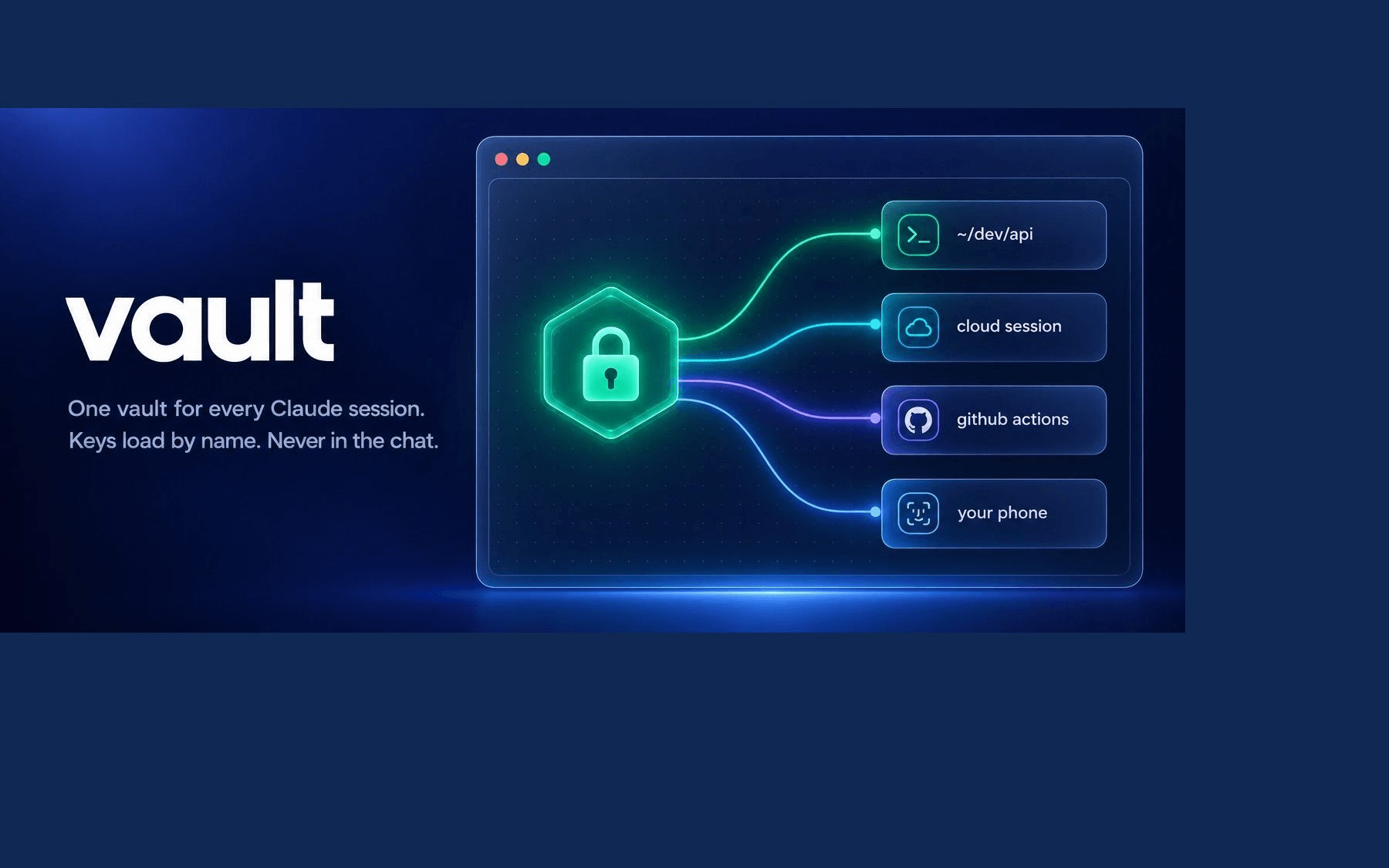
One vault for every Claude session; keys load by name, never in the chat.
Secrets for every Claude surface (Claude Code on the Mac, cloud sessions, Claude Desktop, GitHub Actions) from one master list in AWS Secrets Manager. Each project picks the keys it needs; approval is one Touch ID, Face ID or passkey.
08 / 10 · Macleod Labs mascot

Mr Macleod, the Macleod Labs mascot, in any app.
The animated pixel-art Scottish Fold from TeamFlow, extracted into a drop-in component and small SDK: a vanilla call, a custom element and a React component, with 41 animations across five moods. Private project; Macleod Labs mascot.
09 / 10 · Research Beta
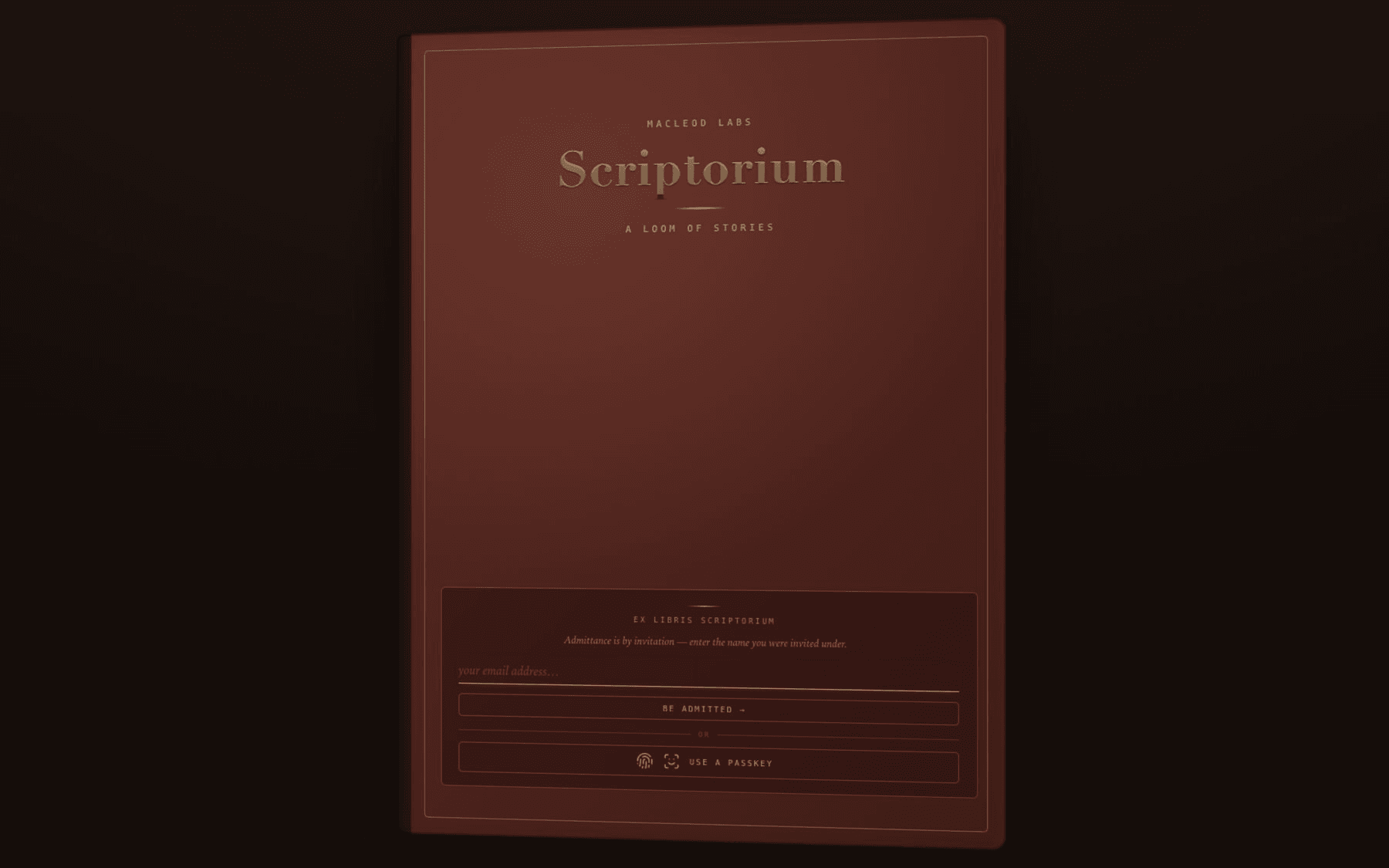
A loop of agents that writes and illustrates whole books.
Agents plan, write and illustrate novels, novellas and short stories on a Vonnegut fortune curve, with a deterministic character graph that keeps a cast consistent across a thousand scenes.
10 / 10 · Product
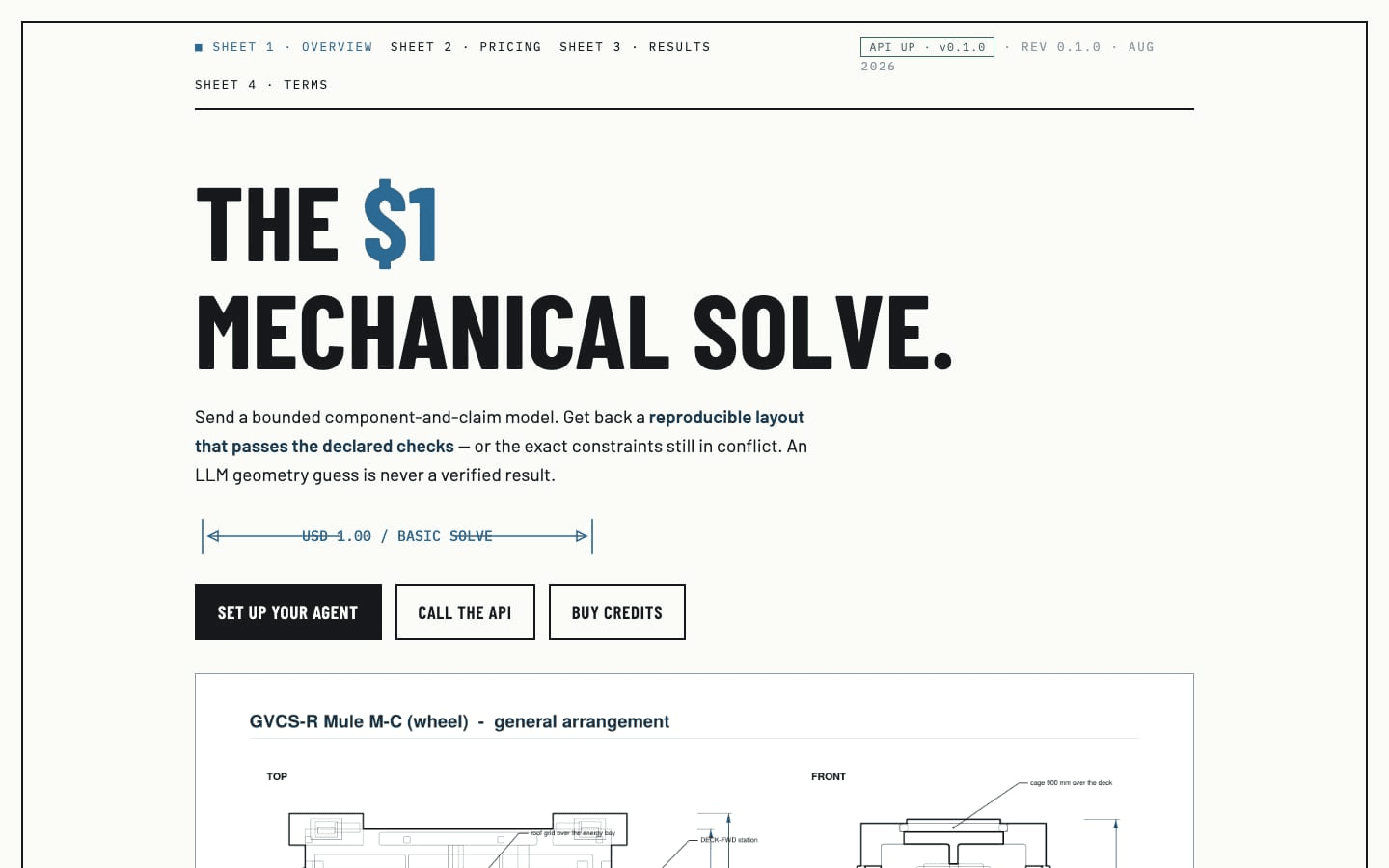
The $1 mechanical solve.
Send a bounded component-and-claim model; get back a reproducible layout that passes the declared checks, or the exact constraints still in conflict. An LLM geometry guess is never a verified result.
 TeamFlow
The DevOps harness for agentic software delivery
Provely
The defensive layer for AI agents
TeamFlow
The DevOps harness for agentic software delivery
Provely
The defensive layer for AI agents
 Heart
A causal 4D beating heart with a live 12-lead ECG
Heart
A causal 4D beating heart with a live 12-lead ECG
 Doc
Probabilistic causal diagnosis
Grow
Your product deserves users
claudeflow
One Claude Code session, untangled into live streams
Vault
One vault for every Claude session; keys load by name, never in the chat
codercat
Mr Macleod, the Macleod Labs mascot, in any app
Scriptorium
A loop of agents that writes and illustrates whole books
MechKit
The $1 mechanical solve
Doc
Probabilistic causal diagnosis
Grow
Your product deserves users
claudeflow
One Claude Code session, untangled into live streams
Vault
One vault for every Claude session; keys load by name, never in the chat
codercat
Mr Macleod, the Macleod Labs mascot, in any app
Scriptorium
A loop of agents that writes and illustrates whole books
MechKit
The $1 mechanical solve

WorkSpec: the missing control layer for AI work
AI does not just change how work is produced. It changes how work must be specified, reviewed, constrained, and accepted. The problem is no longer output. The problem is control.
Read the article










[Steve was] asked to rectify the bugs in the code, move it from a test environment to production, document the code and accounts used, and recommend the development tools that would suit the AI development that was taking place. Whilst the first two weeks was impressive, the achievement of these stretch goals was even more impressive, as we were left with a fully documented and running environment, which made it to market in tight deadlines.
— Chief Technology Officer, AI-security company
Named client references available on request.